01
Plan
We agree on scope, timing, and rules of engagement, with written authorization before testing begins.

HARDAC simulates real-world attacks under agreed rules of engagement, then tells you what we found, why it matters, and how to fix it.
No testing begins without written authorization and agreed rules of engagement.
We agree on scope, timing, and rules of engagement, with written authorization before testing begins.
We map the attack surface and identify potential vulnerabilities.
We safely attempt to exploit findings to confirm real risk and measure impact.
We deliver findings ranked by severity, with evidence and specific remediation steps.
After you remediate, we retest to confirm each finding is closed.
We scope each test to the systems that matter most to your contracts and your risk.
Testing of internet-facing systems, such as firewalls, VPNs, email, and public servers, from an outside attacker's point of view.
Testing from inside your network to show what an attacker or compromised device could reach, including lateral movement and privilege escalation.
Testing of your applications and APIs for weaknesses such as broken authentication, injection, and access control flaws.
Penetration testing gives you evidence that your controls work. We scope each test so the results serve both your security and your compliance program.
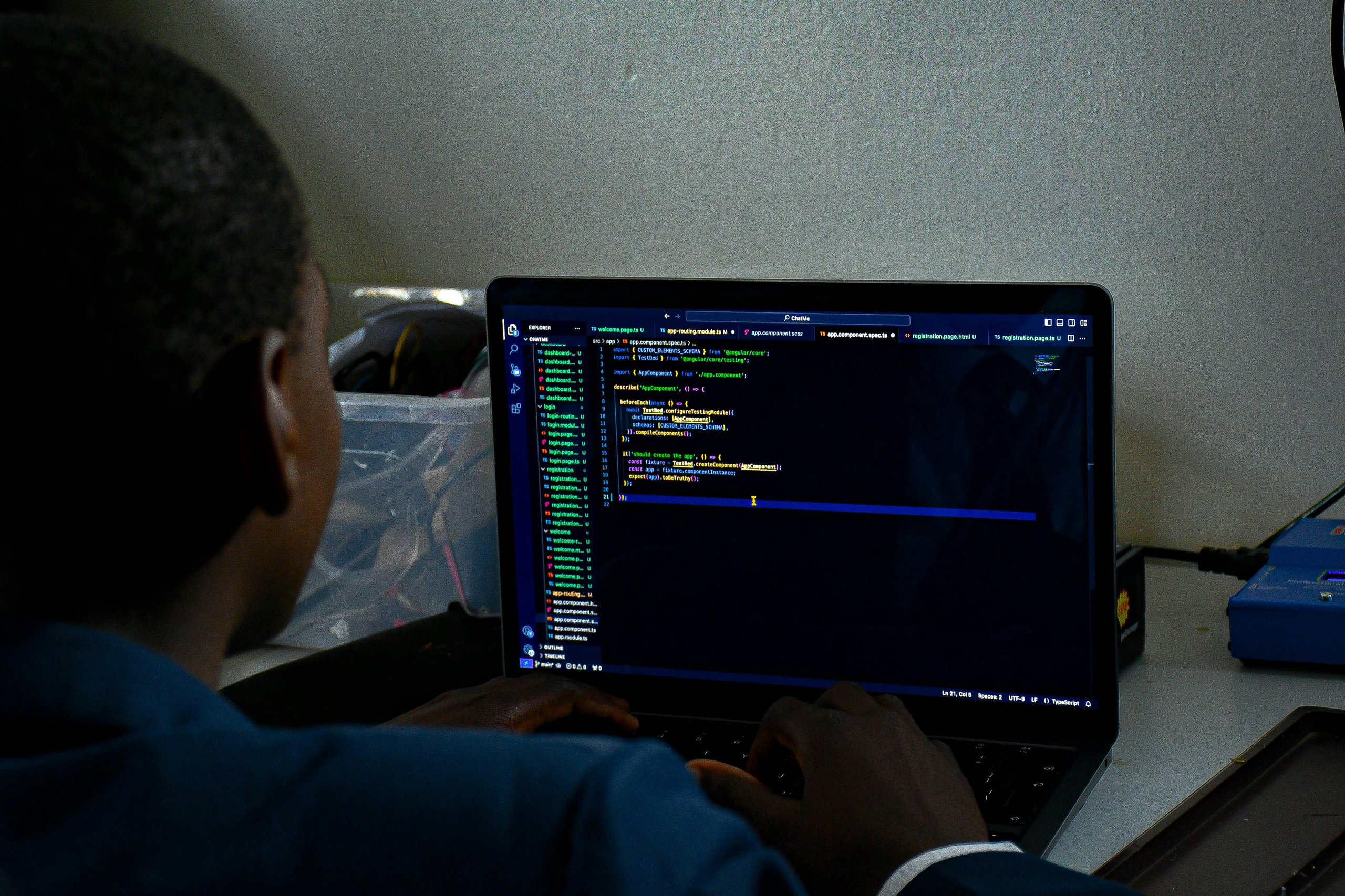
One report, written for both audiences, followed by a retest after remediation.
A plain-language overview of overall risk and the most important findings, written for leadership.
Each vulnerability with its severity, affected systems, evidence, and step-by-step remediation guidance.
Confirmation of which findings are closed after you remediate.
Tell us which systems you want tested and any compliance requirements the results need to support.